
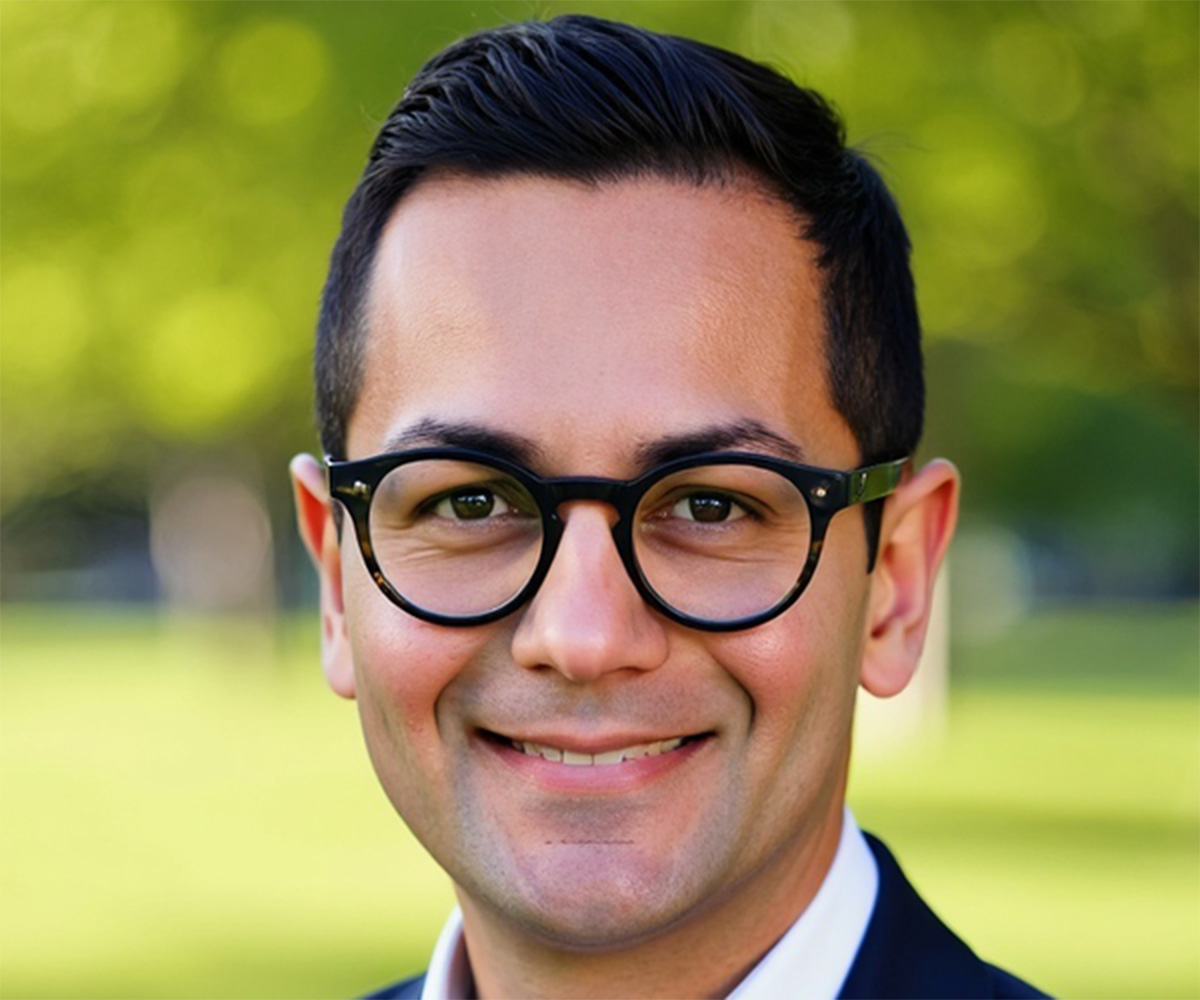
We extend a warm welcome to Manav Pathania, who joined Ludwig Oxford in February as an assistant member. Manav comes to us from the University of Cambridge, where he led a research group at the Cancer Research UK Children’s Brain Tumour Centre of Excellence exploring the role of epigenetics, immune cells and the tumor microenvironment (TME) on the biology of pediatric gliomas. As a postdoc at the UCL Cancer Institute, Manav developed an approach to modeling brain tumors that yielded the first model of H3K27M-driven pediatric glioma whose characteristics closely reflected its human counterparts. His work with that model demonstrated for the first time that mutation of a core chromatin component can drive the genesis of brain tumors by disrupting the normal development of fetal progenitor cells. At Cambridge, Manav applied his techniques to devise 16 additional preclinical models of pediatric glioma along with novel tools to elucidate their drivers and dependencies. These pioneering models have proved useful for translational research, showing, for example, how the crosstalk between tumor and immune cells in the TME might be targeted to enhance therapy. Manav’s group at Ludwig Oxford will continue its work on pediatric gliomas while widening its ambit to other brain cancers and the development of novel immunotherapies, such as next-generation CAR-T cells, for brain cancer.
Back to April 2026 Ludwig Link