
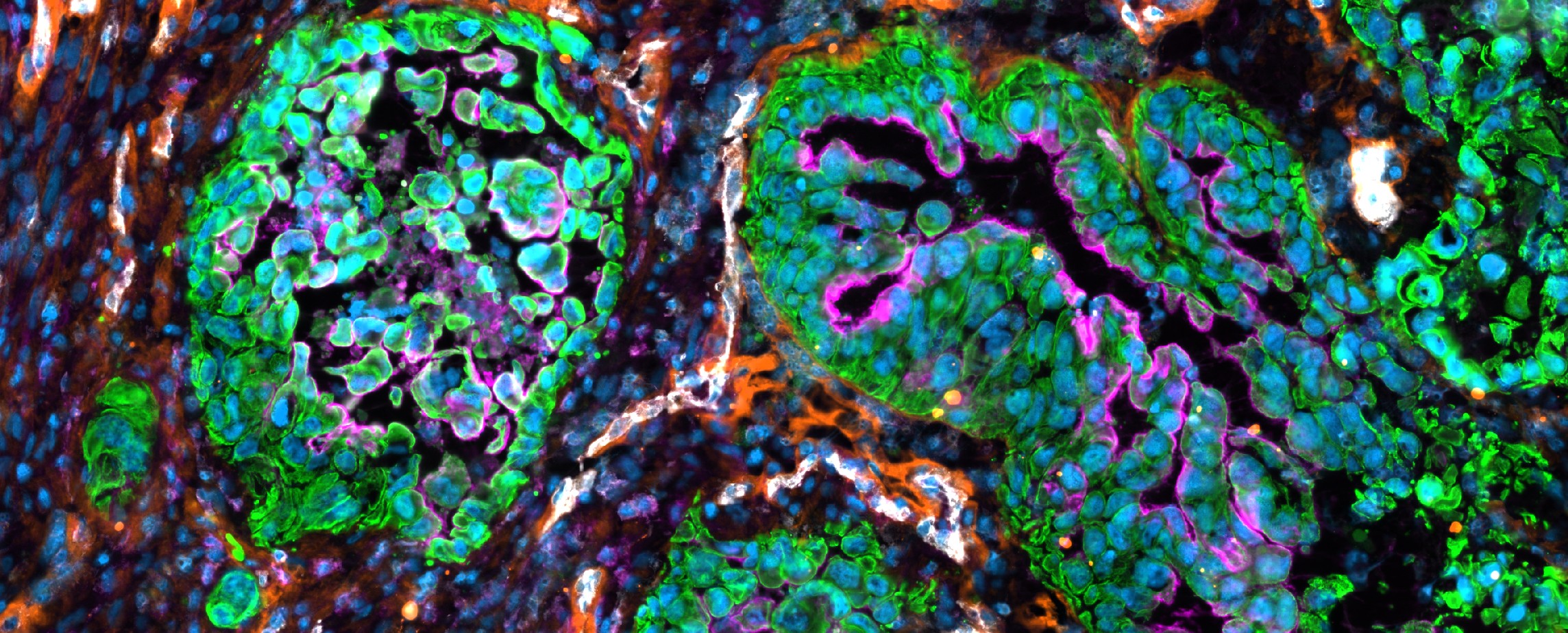


Major cancers such as melanoma and those of the lung and breast often spread to the brain. But establishing a viable colony in the unique microenvironment of the brain is a major challenge for the itinerant cancer cell. It entails passage across the formidable blood-brain barrier, followed by the manipulation of the brain microenvironment to engender conditions amenable to tumor growth and survival. This includes the recruitment of resident cells such as microglia—specialized macrophages in the brain—astrocytes and neurons, which are now known to play a central role in brain tumor growth. But the intrinsic characteristics of cancer cells also contribute to metastatic success. Researchers led by Ludwig Lausanne’s Leire Bejarano and Johanna Joyce reported in a January paper in Cell Reports their discovery of one such factor: aminopeptidase N (or CD13), a membrane-bound enzyme that snips proteins whose elevated expression is associated with poor outcomes in colon, lung and other cancers. They showed that aminopeptidase N is specifically expressed at high levels during the early establishment of metastatic colonies in the brain. Disrupting expression of the protein in mouse models of cancer delayed the growth of metastatic brain tumors and extended survival, while boosting its expression increased metastatic seeding of the brain. Their findings identify a potential drug target for the prevention or treatment of brain metastases, a major unmet need of cancer care.
Tumor-derived aminopeptidase N promotes early stages of brain metastatic colonization
Cell Reports, 2026 January 21