
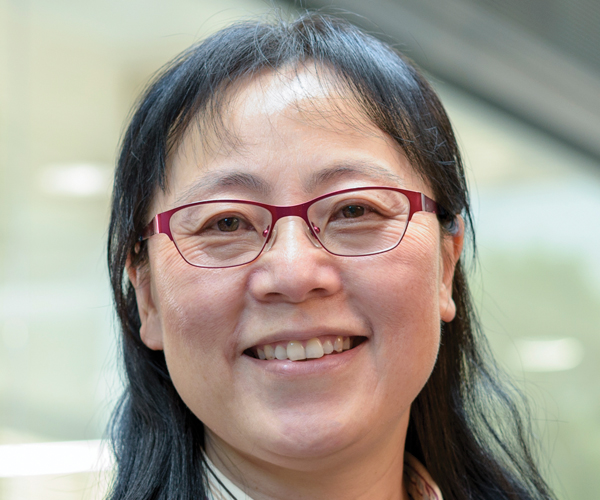
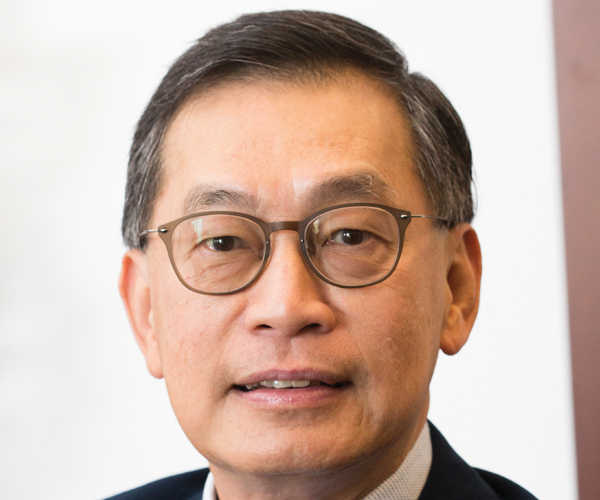
Ludwig Oxford Director Xin Lu and the Ludwig Institute’s CEO and Scientific Director Chi Van Dang were named in March among the recipients of a 2026 Cancer Grand Challenges award as members of the ATLAS (for Antibody Tracking for Long-term Avoidance and Surveillance) team.
Launched in 2020 by Cancer Research UK and the U.S. National Cancer Institute, Cancer Grand Challenges invites scientists to collaborate across borders and disciplines to devise innovative approaches to solving some of the most perplexing problems of cancer biology and care. Led by Paul Bastard of Institut IMAGINE in Paris, Team ATLAS will address the challenge of “Cancer Avoidance”. It will receive up to $25 million over roughly five years to develop a Cancer Antibody Atlas to explore how a subset of the aged and people thought to be predisposed to cancer ultimately evade malignant disease.
Most of the research into the body’s immunosurveillance of cancer over the past several decades has focused on the cellular immune response and the evolution of tumors against its pressure. But how the humoral—or antibody—response reflects and influences the risk, avoidance and progression of cancer and its response to therapy has gone largely unexplored. Yet antibodies, and the B cells that produce them, persist in the blood and collectively represent a serological memory bank whose vast deposits include events and biochemical phenomena associated with cancer incidence, avoidance and therapeutic efficacy. The ATLAS team aims to discover antibodies of this kind that, they expect, will open unforeseen avenues for early detection, prevention and treatment of cancer.
The team proposes to build a Cancer Antibody Atlas based on studies involving more than 10,000 individuals, including centenarians who have escaped cancer diagnoses, discordant identical and fraternal twins and patients at high risk for malignant disease. The researchers will seek out antibodies that bind to a broad range of antigens, such as those that target cancer cells or are associated with T cell responses to cancer. It will also look for antibodies the body produces against its own cells and secreted molecules, or autoantibodies, which have already been shown to influence outcomes of checkpoint blockade immunotherapy. The team will, further, catalog antibodies to pathogens, commensal microbes, food and other exposures that correlate with cancer incidence or therapeutic outcomes. (Xin, Chi and their Team ATLAS colleagues discussed the evidence that underpins their hypothesis and their strategy for its examination in a July Commentary in Cell.)
Ludwig Institute scientists are now involved in two currently active Cancer Grand Challenges teams. The second is the CANCAN team, which is co-led by Ludwig Princeton Associate Director Eileen White and has since 2022 been investigating cachexia, a wasting condition associated with advanced cancer. Stay tuned for exciting science from both teams.
Back to September 2026 Ludwig Link